How to Build Local Landing Pages That Actually Convert

A practical guide for brands that want to turn local search into real customers In marketing, visibility is not the same as growth. Businesses can appear in search results, run ads, and post on social media, yet still struggle to convert interest into real leads. That is where local landing pages come in. Local landing pages connect digital discovery with real customer action. When they are built correctly, they help businesses appear in location-based searches, build trust with nearby audiences, and turn visitors into inquiries, bookings, and sales. At The Classic Partnership,  we often see businesses investing heavily in traffic but overlooking the page where the conversion happens. A well-designed local landing page can change that. This article breaks down how to build local landing pages that work, inspired by proven SEO strategies and conversion best practices.

Why Local Landing Pages Matter More Than Ever

Local search is how most customers begin their buying journey today. People search for phrases like:

When your business has a dedicated page built for that location, you have a far better chance of appearing in those results. A large percentage of consumers search for local businesses online every week, and many visit or contact the business within days of discovering it.

But ranking is only half the story.

The real value comes when a landing page gives visitors enough confidence to take the next step.

“Local marketing is not about reaching everyone. It is about being relevant to the people who are closest to becoming your customers.”

A strong local landing page builds that relevance.

Step 1: Start With the Right Locations

Not every city needs its own page. The first step is identifying where your real customers are coming from.

Businesses should examine:

  • website analytics to identify traffic by city
  • search queries that include location-based keywords
  • data from advertising platforms or local business profiles

The goal is simple. Build pages for the areas where demand already exists or where growth is realistic.

This approach prevents businesses from creating dozens of thin pages that offer little value.

At The Classic Partnership Inc., we encourage companies to focus on meaningful service areas rather than chasing every possible city.

Step 2: Use Local Keywords with Real Intent

Local landing pages should reflect how people search.

Instead of vague phrases like “great marketing services,” strong pages target phrases such as:

  • digital marketing agency in Toronto
  • SEO services Mississauga
  • social media marketing company in Hamilton

These keywords should appear naturally in:

  • page titles
  • meta descriptions
  • headings
  • body content

Metadata plays a crucial role because it helps search engines understand the relevance of each page. When optimized properly, it improves visibility and click through rates.

But keyword placement should never feel forced.

Search engines and readers both reward clarity and natural language.

Step 3: Build Trust with Local Signals

Trust is the foundation of conversion.

Local landing pages should clearly show that your business genuinely serves the area. This means including elements such as:

  • consistent business name, address, and phone number
  • customer reviews from the region
  • photos of real projects or team members
  • case studies from nearby clients

Consistency is especially important. Even small differences in address formatting across platforms can reduce trust signals for search engines and users.

“Trust is the currency of modern marketing. If your audience cannot see proof that you serve their community, they will move on.”

Local proof turns curiosity into credibility.

Step 4: Write Content That Feels Local

One of the most common mistakes businesses make is duplicating the same content across multiple location pages.

Search engines and readers recognize when content has simply had a city name swapped out.

Instead, strong local landing pages include:

  • references to the city or neighborhood
  • local challenges or market conditions
  • specific services offered in that region
  • answers to common local questions

Even a short FAQ section can help answer concerns that local customers frequently have.

Content should feel like it was written for that community, not copied from a template.

Step 5: Make the Next Step Obvious

A landing page exists for one reason: action.

Whether the goal is a phone call, a consultation request, or a quote form, the call to action must be clear and visible.

High performing pages often include:

  • a primary call to action near the top of the page
  • repeat calls to action after key sections
  • short forms that are easy to complete
  • click to call options for mobile users

Mobile experience is especially important because many local searches happen on phones, often leading to quick decisions.

If someone is searching for help in their city, they usually want a fast answer.

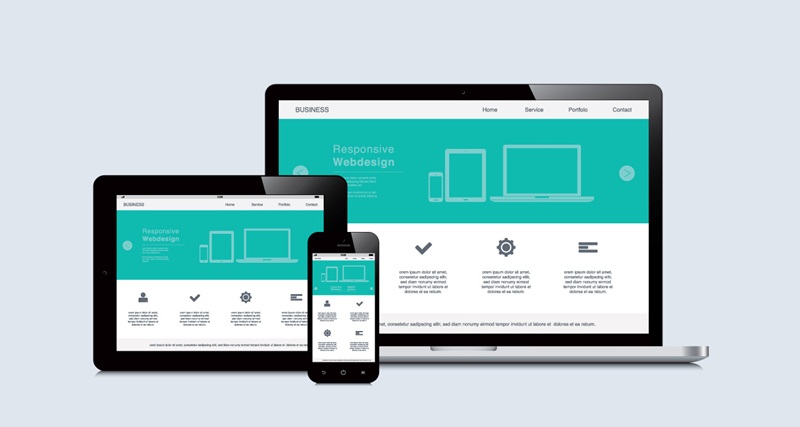
Step 6: Optimize for Mobile First

Mobile optimization is no longer optional.

A slow or difficult mobile experience can immediately drive visitors to competitors.

Strong mobile landing pages prioritize:

  • fast loading times
  • simple navigation
  • clear contact details
  • large buttons for easy interaction

When a user searches on their phone and lands on a page that loads instantly and answers their question, conversion becomes far more likely.

The Bigger Picture: Local Pages as Growth Engines

Local landing pages are not just SEO assets. They are growth tools.

They bridge the gap between online discovery and real-world engagement. For businesses looking to expand their presence in specific markets, these pages provide a scalable strategy that combines visibility, trust, and conversion.

At The Classic Partnership Inc., we see local landing pages as a foundation of modern marketing strategy. They allow brands to speak directly to the communities they serve while still benefiting from the reach of digital search.

“The best marketing does not shout to the whole world. It speaks clearly to the people who need you most”

When local landing pages are built with strategy, authenticity, and strong user experience, they do exactly that.